With blue skies greeting me this morning I decided to do a
big walk and head out towards Hoo with the chance to add to some waders to the
stuttering Lockdown Walk List. The end of August became too fine and warm and little
was moving around here and I was then away in Lesvos for over two weeks and then
indoors afterwards for two more so my chances of picking up autumn waders and
passerines such as Whinchat were somewhat diminished.
And so it was with a degree of enthusiasm that I ambled off
into Strood at just after 8am with the local raucous Jays flop flop flying
overhead between Oak trees.
 |
Jay
|
The Medway was high when I got to the Submarine but
it had turned and this would hopefully mean some foreshore to get down on when
I got past Upnor. Grey and Pied Wagtails
pinged along the Prom and my first Scandinavian Rock Pipit came up from the
edge stridently calling ‘phist’ as it did so.
The undeveloped riverside areas were wet again and the Black-headed and
Common Gulls were back and loafing on the puddles.
 |
Black-headed Gulls
|
 |
Starling
|
 |
Black-heads and Common Gulls
|
Lesser Redpolls and Goldfinches called overhead and Goldcrests
were calling in the Ivy hedge as I climbed the steep path up to Frindsbury All
Saints but as usual, they seldom stay still long enough for a picture! Blue,
Great and Long-tailed Tits foraged with them and I Firecrest called and briefly
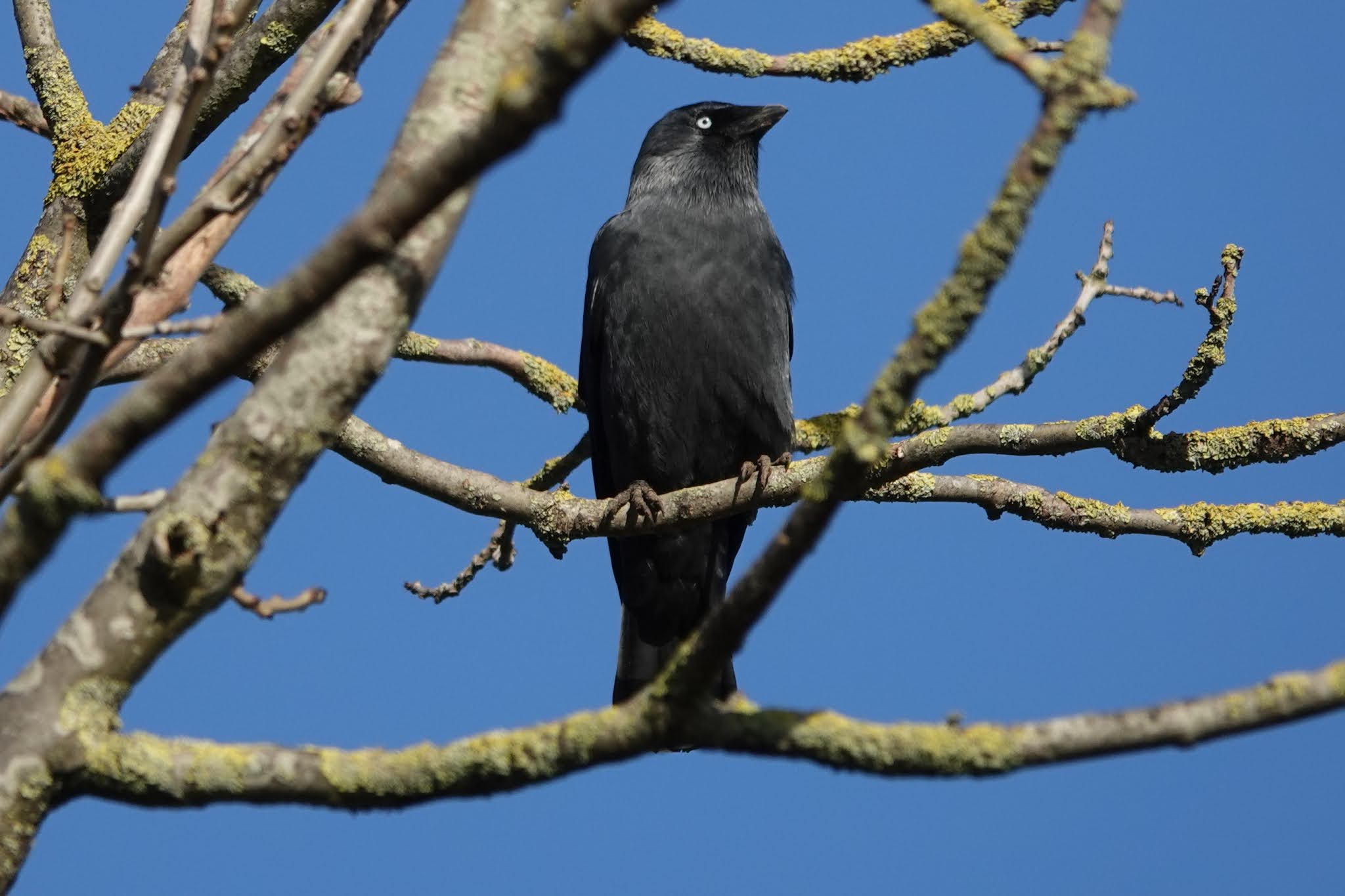
appeared too. Meanwhile two Jackdaws watched me with steely white eyes from the
top of an Ash tree.
 |
Damn Goldcrest was in the middle!
|
 |
Jackdaw
|
 |
Pied Wagtail
|
I crossed over the main road and started down towards
Gundulph Pool but the light was in my eyes and I could not see anything on
there but having checked another mixed Tit flock in the sycamores and Holly
alongside the old house walls in Upnor I was pleased to have two Firecrests
start peeping and then appear in an Ivy clad tree where they played chase for a
couple of minutes before moving on.
 |
Hazel
|
 |
Firecrest
|
I could hear Buzzards before I left the trees and two were
up over the woods. The tide had dropped enough to allow me to venture down onto
the beach for a slightly soft walk along to Hoo Marina. As usual there was not a wader to be seen on
the whole stretch which I still find baffling.
 |
There was no one else around other than this Troll who was rather distracted by the VR game he was playing
|
I wiggled through the boatyards and then up onto the seawall
where the newly exposed mud was covered in waders. Redshank were present as
ever along with quick running flocks of Dunlin and stroppy Oystercatchers while
shimmering flocks of Knots sinuously headed to the south side. I could hear
Turnstones and Grey Plovers and both were quickly found with Curlews further
out and Ringed Plovers closer to the high tide mark.
 |
Essence of Turnstones, Dunlin and Redshank
|
I scanned the river for Mergansers but only found the odd
Cormorant and Great Crested Grebe and small parties of Dark-bellied Brent Geese
were making their way out to the newly exposed island in the middle where
presumably eel-grass is to be found.
 |
Brents below the Kingsnorth jetty
|
A raft of 170 Wigeon were feeding with the outgoing tide and
the lazy snoozing Shelduck gradually woke up and headed across to join
them.
 |
Wigeon
|
 |
Shelduck
|
 |
| Wigeon |
All the while I was checking the set aside and ditch edges
for the almost expected Stonechats but I still failed to find one. The odd Reed Bunting erupted from the cover
along with a few Greenfinches, Linnets and three Redpolls and a Cetti’s Warbler
sang half-heartedly.
Teal were on the re-flooded fields and pools on the inland
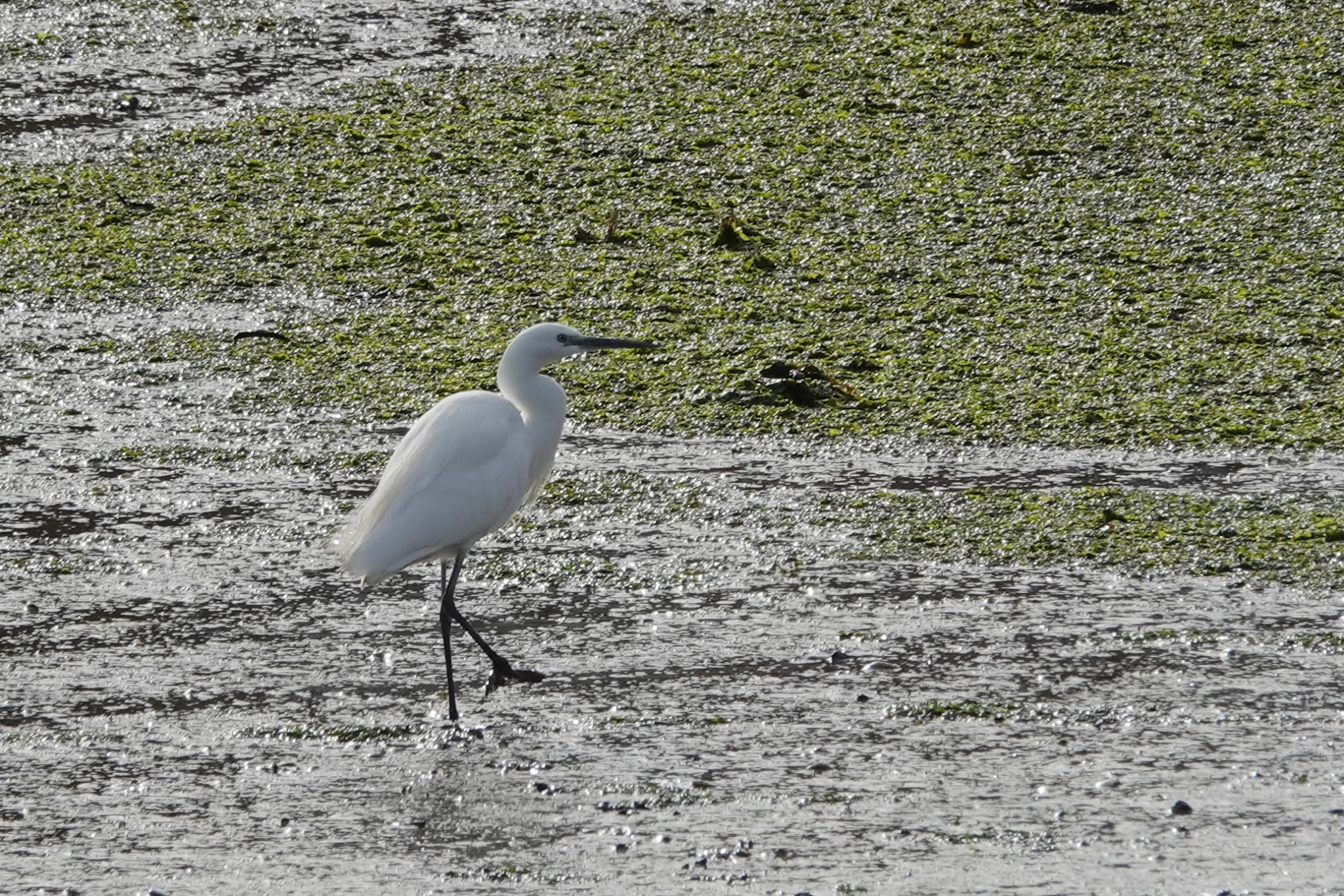
side of the wall and Little Egrets dabbled their feet in the tidal channels. I
even optimistically scanned the top of the Hawthorns for the vague chance of a
Great Grey Shrike but had to be content with two Ravens slow rowing their way
south.
 |
Little Egret
|
 |
Little Egret
|
 |
Raven
|
 |
Teal
|
Meadow Pipits and Pied Wagtails scampered on clockwork legs
around the horse paddocks before I turned off the wall and in towards the
fishing lakes. The view had improved
with less leaf cover but the variety of wildfowl had not with just a couple each
of Pochard and Tufted Duck and a few Coot and Moorhen although I did hear
Kingfisher on two occasions. It will not be long before the path here is under
water as the pits and pools begin to link up for the winter months.
I could hear a Green Sandpiper somewhere but could not find
it as I swung back towards Hoo church and then up through the field of
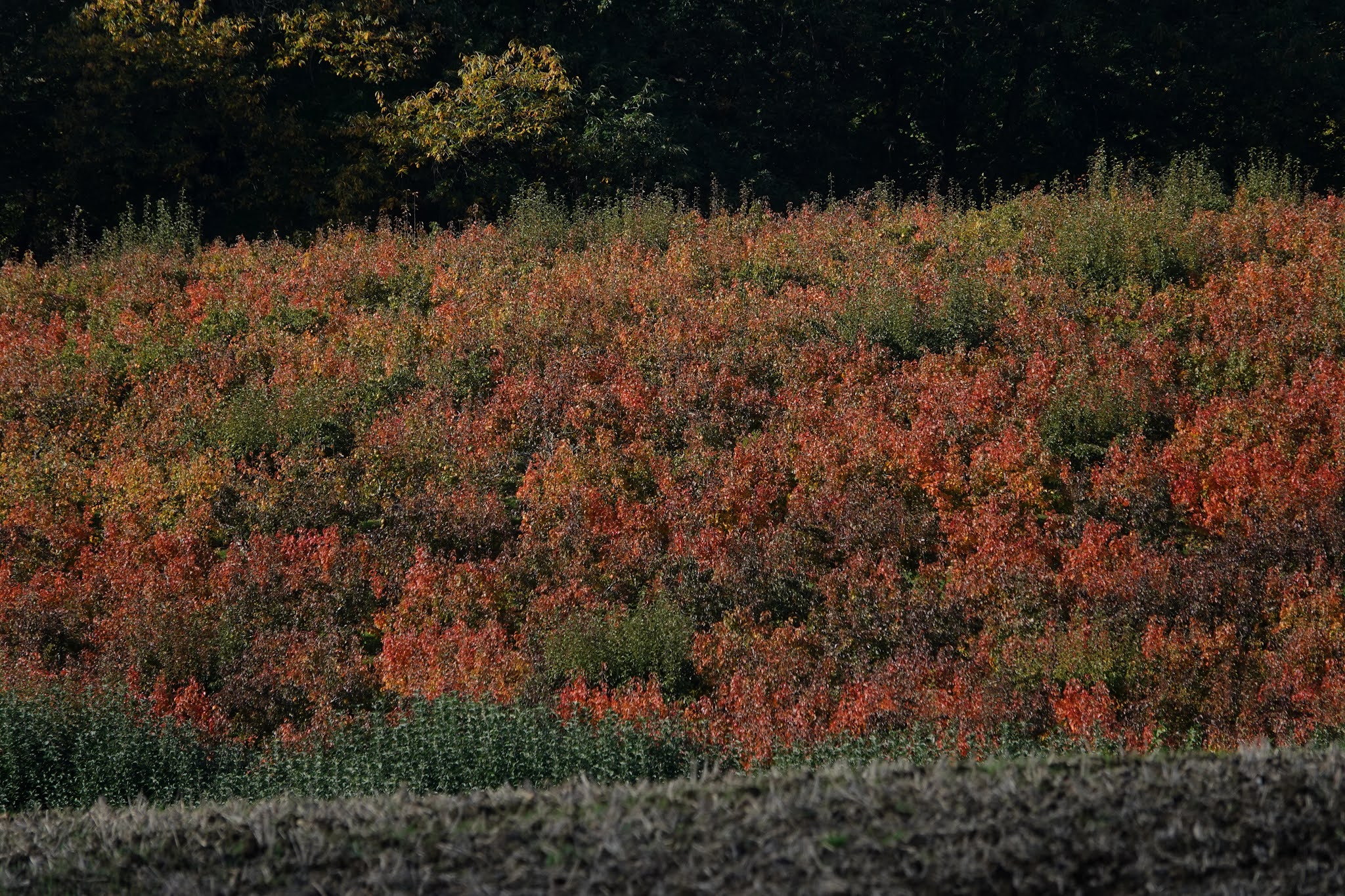
Asparagus in its golden autumn fern-like form. The wild bird cover strip along the
edge that blazed with Sunflowers back in August was now doing its intended job
and I put up small parties of Green, Gold and Chaffinch as I moved along and
even Wrens, Robins and Tits were coming out of the Elm hedge to forage in it.
 |
Greenfinch
|
I took the path back down through the woods above Upnor only
stopping to check another large Long-tailed Tit flock that had several
Goldcrest and a lone Chiffchaff tagging along before vaguely retracing my steps
into the village and taking the Castle Street footpath through the tangle Ivy
strewn wood past the sewage works. It was full of Goldcrests and more Long-tailed Tits and Buzzards circled above the whole time.
When I got back to Frindsbury All Saints I chose a new route
home and rather randomly at this point a car pulled up and to my amazement it
was Ros (an ex Rainham field teacher) and her husband Derek who were here to do
some family tree investigations in the churchyard.
 |
| Frindsbury All Saints |
 |
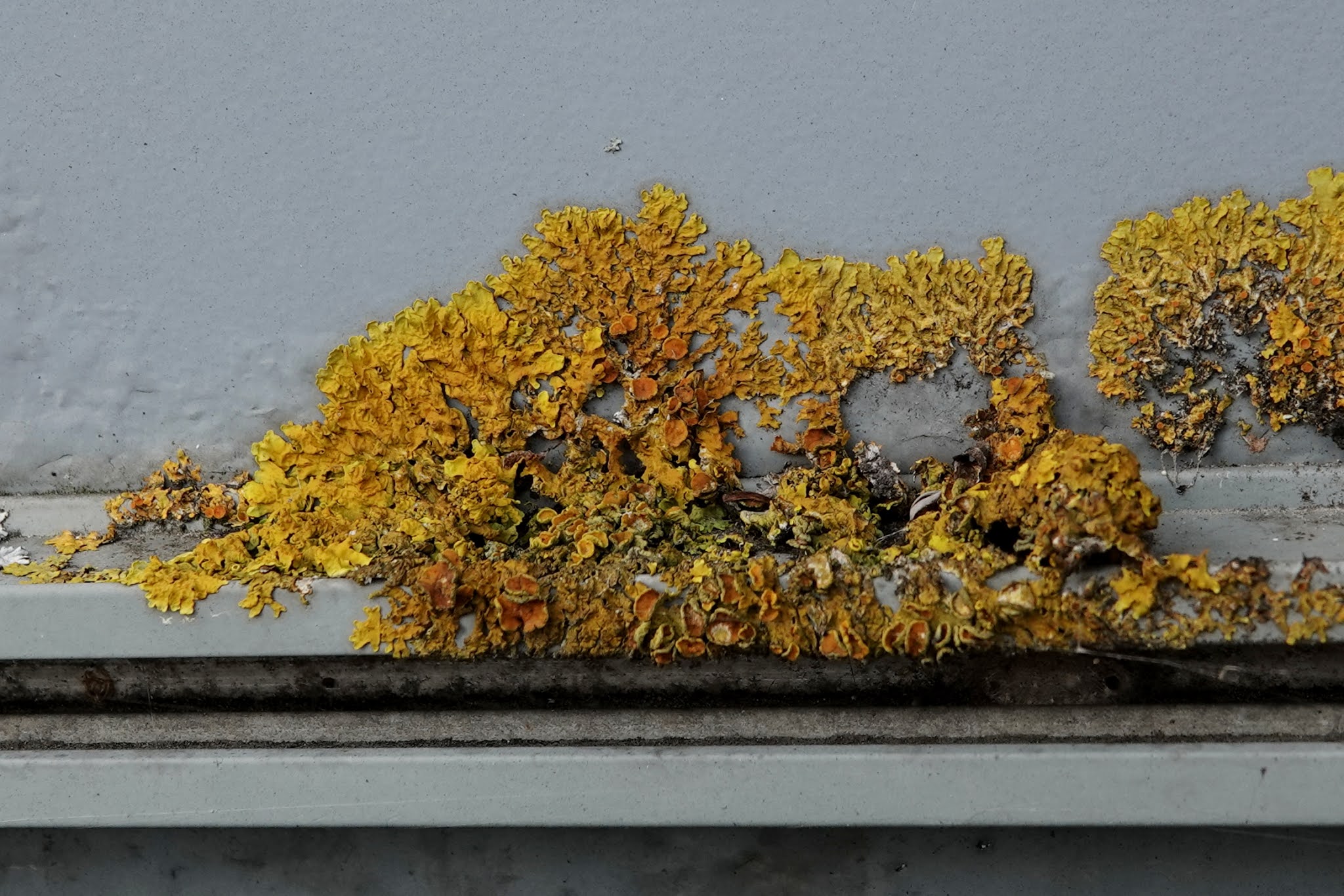
Wall Rue on the churchyard wall
|
We had a good gossip while admiring the views across the shining
Medway towards the M2 bridge and the Castle and Cathedral in Rochester just
across the water before going our separate ways.
 |
Towards the M2 bridge
|
 |
Towards Chatham
|
 |
Towards Rochester
|
The strange half hour did not
end there with a panicked exclamation from the front of a house as I passed drawing
my attention where a lady was trying to leave her porch was but was simply
terrified and frozen to the spot as there was a Bumblebee on her door step. She
asked for help and so I obliged and picked up this floundering Bombus
terrestris and placed it on some Salvias in the front garden. She was very
grateful but possibly even more shocked that I picked it up. A little bit of bee education took place
before I moved on and into town and home.